


“Hydrated skin is happy skin. Proper hydration helps to maintain the skin’s natural barrier, keeping it soft and smooth, and protected from environmental stressors. When skin is properly moisturized, it functions more effectively, helping to keep out irritants and retain moisture."
Many of us believe that simply drinking plenty of water will keep our skin perfectly hydrated. However, true skin hydration is much more complex than that. Even if we drink gallons of water daily, our skin can still appear dry, dull and flaky if our skin barrier is not properly cared for.
Hydration isn’t just about internal water intake; it is about how well our skin locks in moisture and maintains its natural water balance throughout the day. This balance is essential not only for our skin but for our overall health.
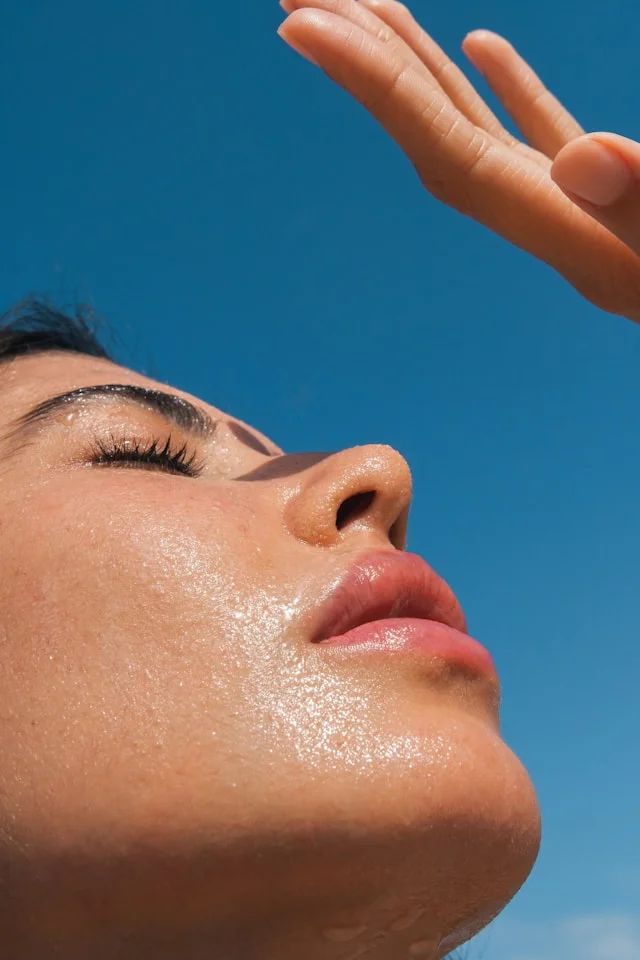
The outermost layer of our skin, known as the stratum corneum, is made up of dead skin cells. Once thought to be just a protective shield ready to shed, we now understand its crucial role in attracting and retaining moisture. The stratum corneum depends heavily on external hydration and a strong skin barrier to stay plump and healthy; something drinking lots of water alone cannot provide.
We are frequently asked questions about skin hydration - so let’s clear up the top three misunderstandings:
1. How much water should one drink for healthy, hydrated skin? While staying hydrated by drinking enough water is key for our overall wellness, it does not directly hydrate the outer skin layer. The stratum corneum needs external hydration combined with a well-maintained skin barrier to hold on to moisture.
Effective hydration tips:
2. What’s the difference between dry skin and dehydrated skin? Understanding this distinction is vital for choosing the right treatment:
How to treat:
3. Is hydrating the same as moisturizing? Though often confused, hydrating and moisturizing serve different purposes:
Your daily skin hydration routine:
Drinking water is crucial, but it won’t hydrate your skin unless you care for the skin barrier and use targeted topical products. Combining internal hydration with the right skincare routine ensures a dewy, glowing complexion.
If you want to master your hydration routine and achieve radiant skin year-round, start with these simple steps today - because every hydrated skin stems from a holistic approach.

