“Hair loss or thinning is often a symptom, not a diagnosis. Identifying the root cause - genetic, hormonal, nutritional, or inflammatory - is the key to restoring both hair and confidence.”

Hair loss and what you need to know about it

Hair loss, or alopecia, affects millions – about 50% of women and 80% of men by age 60. As a medical aesthetic clinic, we often see Telogen Effluvium cases, a temporary hair shedding triggered by stress or major life events such as illness, childbirth, or emotional upheaval. This type of shedding typically appears 3-4 months after the stressor and usually resolves within 6-9 months.
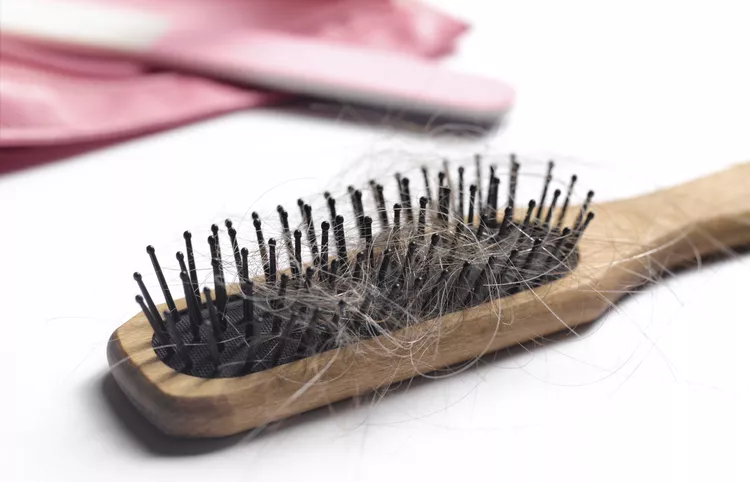
Key hair loss facts

  • Men: 50% experience hair loss before 50, with 25% noticing it before 30
  • Women: 40% show visible thinning by age 45, with signs appearing earlier in some cases

Hair loss can cause significant emotional distress, impacting confidence, social life, and mental well-being.
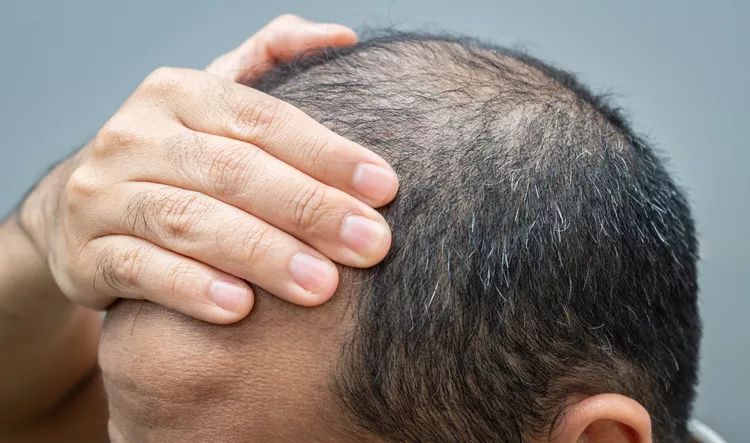
Types of hair loss: Scarring vs non-scarring

  • Non-Scarring Alopecia: Hair follicles remain alive, making hair regrowth very possible. Common types include:
    • Androgenetic Alopecia (hereditary hair loss): The most common form, affecting both men and women with distinct hair loss pattern baldness
    • Telogen Effluvium: Stress-induced shedding with full recovery expected over three to six months
    • Alopecia Areata: An autoimmune disease that attacks your body’s hair follicles causing patchy hair loss
    • Medication-induced Hair Loss: Often temporary, commonly seen with chemotherapy and some anti-depressants
  • Scarring Alopecia: Follicles are destroyed, making hair regrowth unlikely. Early detection and treatment aim to halt progression. Examples include traction alopecia and autoimmune scalp conditions.

Causes of Hair Loss

Hair loss can stem from genetics, autoimmune disorders, medications, hormonal changes, extended periods of stress, and nutritional deficiencies. Stress directly disrupts hair growth cycles and overall follicle health, often compounding existing issues.

Diagnosis and Examination

A thorough scalp and hair examination by your skin specialist is essential. An evaluation includes hair density, follicle condition, and pattern of loss. Lab tests for vitamin D, thyroid, hormones, and iron may be ordered to identify underlying causes.

Treatment Options

Topical Treatments

  • Minoxidil (5%): FDA-approved for men and women, promotes regrowth when used consistently
  • Enhanced Formulas: Combining minoxidil with niacinamide and caffeine can improve effectiveness

Supplements

  • Nutrafol: Contains adaptogens, anti-inflammatories, and collagen boosters to combat stress-related hair loss
  • Viviscal Professional: Clinically shown to nourish thinning hair and support existing growth

Prescription Medications

  • Finasteride (Propecia): Slows male pattern hair loss with proven efficacy
  • Spironolactone: Used off label for female hair loss to block androgen effects
  • Oral Minoxidil and Dutasteride: Emerging options under medical supervision

Advanced Therapies

  • Laser and Light Therapy: Photo biomodulation treatments like Fotona Dynamis Hair Laser Restart enhance scalp health and amplify other therapies such as PRP (Platelet-Rich Plasma) and RF microneedling with Calecim Advanced Hair Restoration and Regrowth System.

Final Thoughts

Hair loss can be managed effectively with early diagnosis and a personalized treatment plan. Understanding the type and cause of your hair loss is key to choosing the right therapy for it. Whether you are dealing with temporary shedding or hereditary thinning, there are solutions that can restore confidence and improve hair health. Consult a medical hair loss expert to get started on your journey to fuller, healthier hair.