


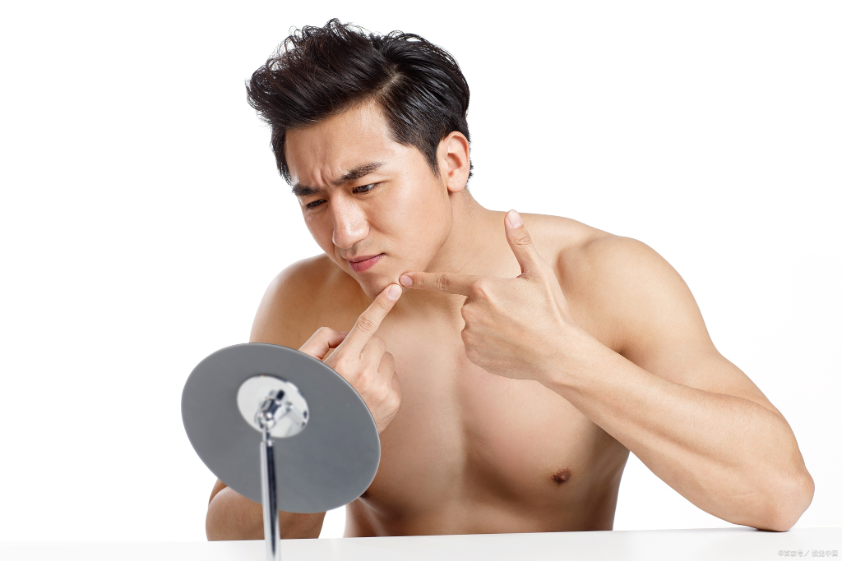
“Go for early intervention… One of the key take-home messages I tell all my patients is please do not pick or squeeze, because usually it is the picking and squeezing that causes the scarring, rather than the acne itself.”
Few things are as frustrating as acne. Whether you're battling the occasional breakout or dealing with chronic flare-ups, those stubborn pimples always seem to appear at the worst times - and can leave behind dark spots and scars that take weeks (or months) to fade.

As tempting as it may be to reach for harsh treatments or follow outdated advice, many common acne misunderstandings and accepted cures may actually do more harm than good. Here in this blog on acne and its biggest myths, you will gain a clearer understanding of what triggers acne - and how to treat it.
Here are the top 3 acne myths debunked, and what to do instead for healthy and clear skin.
One of the oldest skin care myths is that eating oily foods like fried noodles or French fries causes breakouts. While it might make intuitive sense, the reality is more complex.
✅ The Truth: Greasy food alone doesn't directly cause acne. However, highly processed foods and those high in refined sugars can increase inflammation in the body, which plays a major role in acne development.
Another surprising culprit is dairy, especially cow’s milk and cheese. For acne-prone individuals, dairy proteins may trigger breakouts - regardless of whether it’s whole or low-fat. However, for most, goat or sheep milk products are often better tolerated.
Foods for clearer skin:
It's a common belief that using rubbing alcohol on a breakout will dry it up faster. While you might see some short-term dryness, this method can backfire on your breakout.
✅ The Truth: Rubbing alcohol can strip your skin's natural barrier, removing both water and healthy bacteria that help fight acne. This can cause increased oil production and irritation, which may lead to more breakouts.
What to use instead:
Yes, the C. acnes bacteria (formerly P. acnes) is involved in acne - but this is not the complete picture.
✅ The Truth: Not all bacteria on your skin are harmful. In fact, some strains of C. acnes may actually support skin health. Your skin’s microbiome (the community of micro-organisms) plays a crucial role in keeping inflammation and acne in check.
Looking ahead:
Future acne treatments may include bacterial transplants - replacing inflammatory strains with healthier ones to rebalance the skin’s microbiome.
If you’re building an acne-fighting skincare routine, focus on these skin specialists tried-and-tested ingredients:
Understanding the root causes of acne - rather than following outdated advice - can dramatically improve how you care for your skin. By maintaining a healthy skin barrier, supporting your microbiome, and using targeted ingredients; these steps can effectively and dramatically treat and prevent breakouts.
✅ Always remember to:
Clear skin is a journey - with the right knowledge, calm and patience, you are well on your way to healthy, clear, beautiful skin.

